
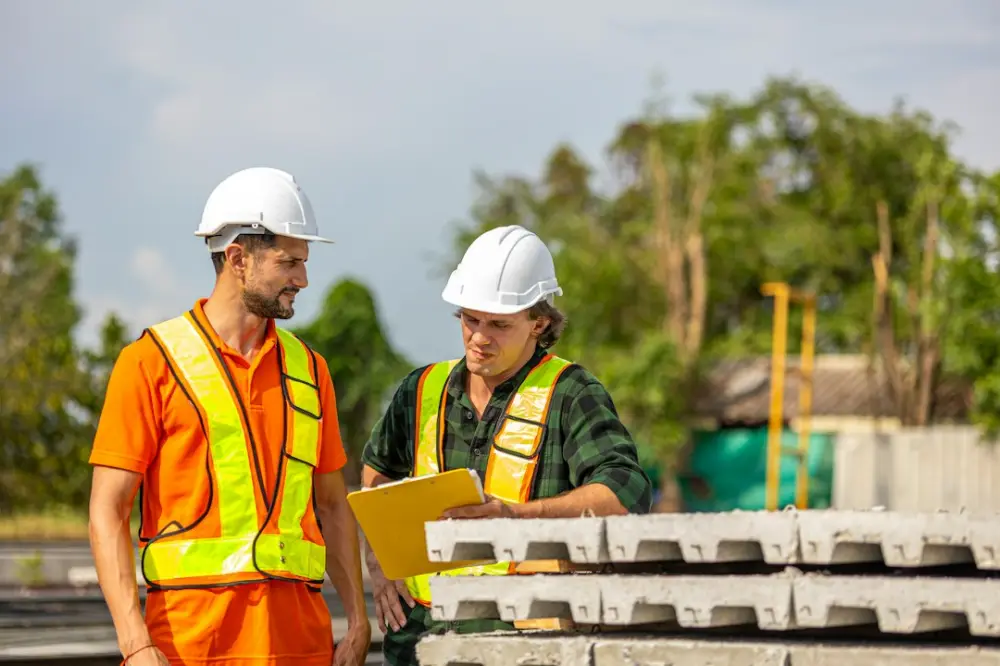
The construction industry in 2026 has shifted significantly toward circularity, moving away from the traditional linear model of take-make-dispose. This transition requires a fundamental change in how building sites are managed, with a renewed focus on resource efficiency and the reuse of materials. As sustainable building practices become the standard rather than the exception, the role of site management has expanded to include the oversight of complex material recovery processes and the implementation of low-carbon construction techniques. This evolution presents both opportunities for improved efficiency and new challenges for maintaining site safety and productivity.
Effective site supervision is the bridge between sustainable design and practical execution. While architects and engineers specify circular materials and modular designs, it is the on-site team that must ensure these resources are handled correctly to preserve their value for future use. Managing a circular site involves more than just traditional health and safety; it requires a deep understanding of material lifecycles, deconstruction methodologies, and the logistical complexities of urban mining. This article provides general information and does not constitute professional legal or safety advice.
Integrating Safety into the Circular Economy
Circular construction often involves deconstruction rather than traditional demolition. This process is inherently more labor-intensive and requires a different approach to site safety. When a building is treated as a material bank, the supervisor must manage the risks associated with dismantling structural elements that were not originally designed to be taken apart. This requires detailed structural surveys and a step-by-step deconstruction plan to prevent unplanned collapses or accidents during the removal of load-bearing components.
In addition to structural risks, the reuse of materials introduces variables that are not present when using new, standardized products. Reclaimed timber, steel, and masonry must be thoroughly inspected for integrity and contaminants. Supervisors are responsible for ensuring that the testing protocols for these materials are followed strictly before they are integrated into new structures. This includes checking for legacy hazardous substances that may have been used in older buildings, such as lead-based paints or specific types of insulation that are no longer compliant with 2026 environmental standards.
Risk Assessment for Reclaimed Building Components
The use of reclaimed components requires a specialized risk assessment process. Unlike new materials that come with manufacturer guarantees and standardized performance data, reclaimed resources often have a history that must be accounted for. Site supervisors must oversee the verification of material passports, which are now a common requirement for circular projects. These digital records provide essential data on the material's origin, previous use, and technical specifications, allowing for a more accurate assessment of how they will perform in a new context.
When handling reused steel sections, for example, the risk assessment must account for potential fatigue or corrosion that might not be visible to the naked eye. Supervisors must coordinate with structural engineers to ensure that non-destructive testing is carried out on-site. The storage of these materials also presents unique hazards; reclaimed items are often bulky and irregular in shape, requiring dedicated, stable storage areas to prevent trips, falls, or material degradation. Proper labeling and organization are essential to ensure that the right components are used in the right locations, maintaining the structural integrity of the sustainable build.
The Role of Site Supervisors in Resource Efficiency
The efficiency of a circular construction site depends heavily on the competence of the management team. Supervisors must be adept at coordinating various subcontractors who may be less familiar with circular protocols. This includes training workers on the specific handling requirements for fragile reclaimed materials and the importance of precise sorting at the source. By reducing contamination in waste streams, supervisors can significantly increase the percentage of materials that are diverted from landfills and returned to the supply chain.
Site supervisors are the primary point of contact for implementing these changes on the ground, and holding an SSSTS qualification provides them with the essential framework to manage these risks while ensuring the project remains on schedule. This training ensures that supervisors understand their legal duties under current safety regulations, which have been updated to reflect the complexities of modern green construction. A well-trained supervisor can identify potential bottlenecks in the resource recovery process and implement corrective actions before they lead to safety incidents or material waste.
Waste Mitigation and On-Site Material Processing
In the context of circularity, waste is often viewed as a failure of design or management. Supervisors play a critical role in minimizing waste through the implementation of rigorous on-site processing techniques. This often involves the use of mobile crushing and screening equipment to convert masonry rubble into high-quality recycled aggregate for use in foundations or landscaping. Managing this equipment requires specific safety protocols, including dust suppression measures and noise control, to protect both the workers and the surrounding environment.
Effective waste mitigation also involves the management of surplus materials. On a sustainable site, any excess material from the construction phase is not simply discarded but is cataloged and redirected to other projects or returned to the supplier through buy-back schemes. Supervisors must maintain accurate records of these transactions, ensuring that the project's circularity KPIs are met. This requires a high level of organizational skill and a commitment to the principle that every scrap of material has a potential future use, provided it is handled and stored correctly during the construction phase.
Communication Strategies for Green Site Management
Clear communication is vital when introducing new sustainable workflows to a construction crew. Traditional methods of working are often deeply ingrained, and shifting to a circular mindset requires constant reinforcement. Site supervisors use toolbox talks as a primary tool for this communication, focusing on the specific safety and environmental requirements of the project. These sessions should explain the "why" behind circular practices, helping workers understand how their individual actions contribute to the broader goal of resource conservation.
Visual aids and clear signage are also essential on a circular site. Because material segregation is so critical, bins and storage areas must be clearly marked with standardized icons and color codes. In 2026, many sites also use augmented reality (AR) tools to help workers visualize where reclaimed components should be placed and how they should be secured. The supervisor's role is to ensure that these digital tools are used effectively and that all team members are comfortable with the technology. This proactive approach to communication reduces the likelihood of errors that could lead to safety hazards or the loss of valuable resources.
Legal and Regulatory Compliance in 2026
Navigating the regulatory landscape of 2026 requires site supervisors to stay informed about evolving environmental and safety laws. The introduction of stricter carbon reporting requirements and mandatory circularity targets has added a new layer of compliance to construction projects. Supervisors must ensure that all on-site activities align with the project's Environmental Management Plan (EMP) and that all necessary documentation is collected for green building certifications. This includes tracking the embodied carbon of materials and documenting the percentage of reused content in the structure.
Compliance also extends to the management of subcontractors and suppliers. Supervisors must verify that all parties involved in the project adhere to the same sustainability standards and safety protocols. This involves regular audits of subcontractor work and the review of their safety method statements to ensure they account for the unique challenges of circular construction. By maintaining a high standard of compliance, supervisors protect the project from legal liabilities and ensure that the finished building meets the rigorous sustainability criteria required by modern investors and regulators.